Iterum
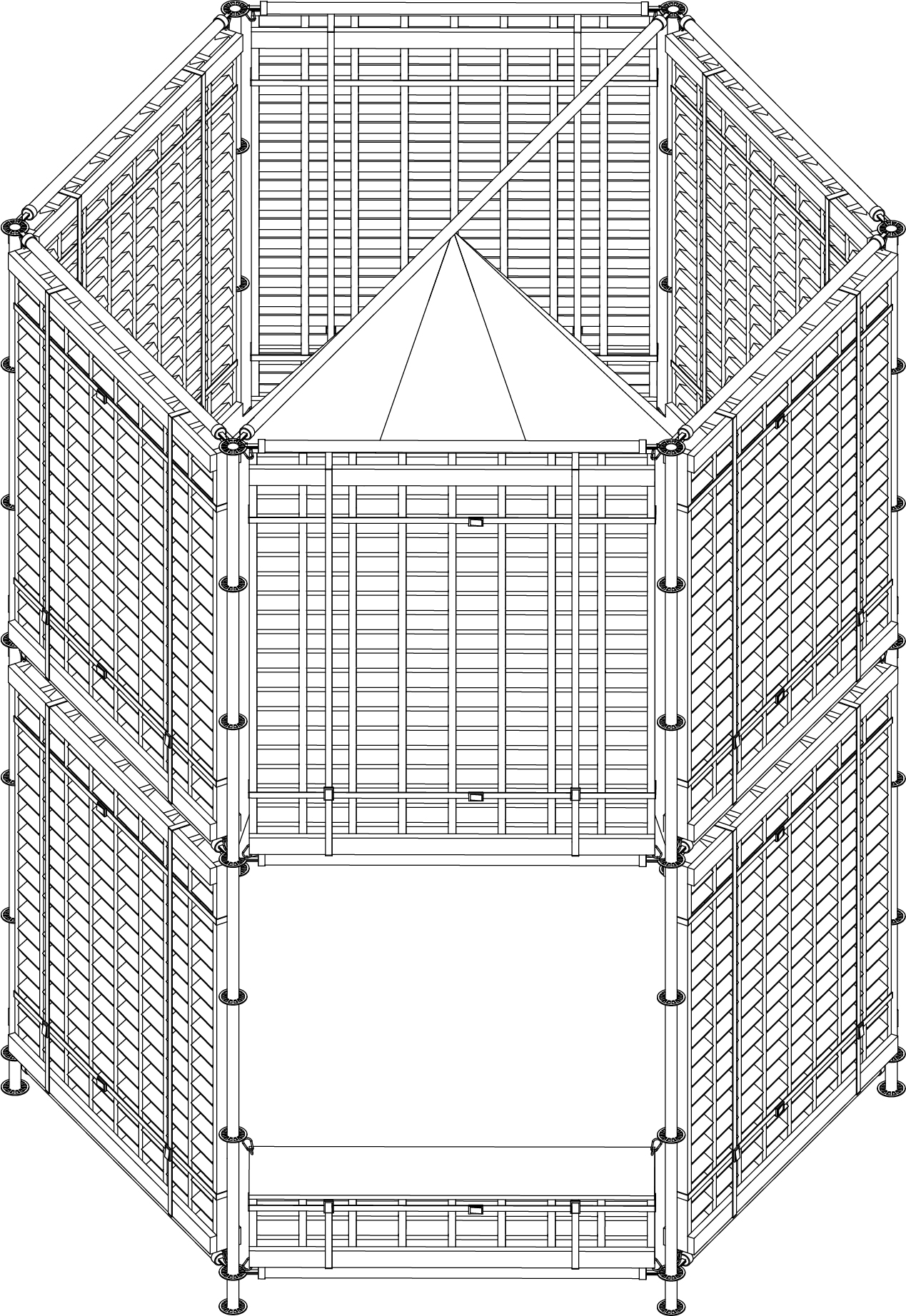
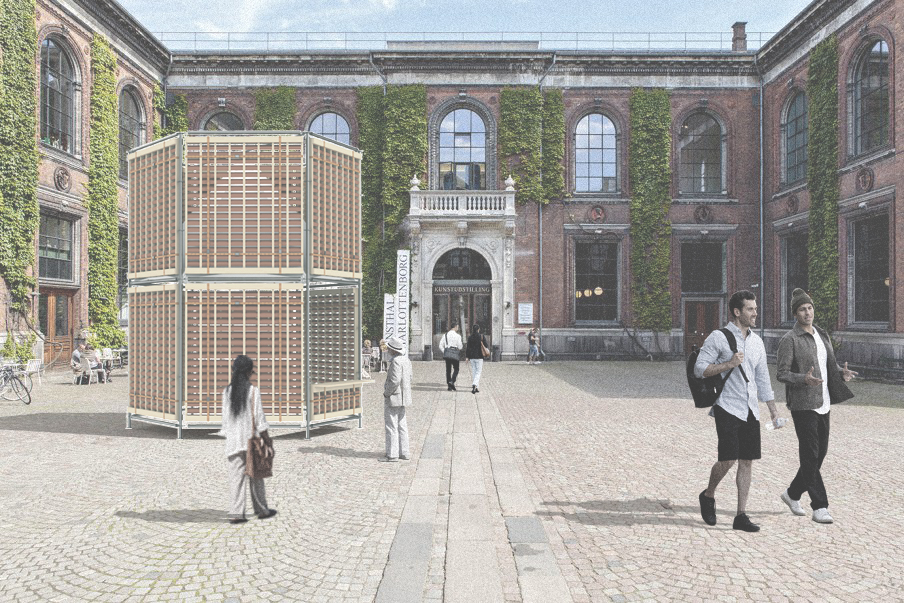
Iterum—from the Latin for “once more” or “again”—is a structure conceived from the principles of repetition, adaptability, and renewal. Composed entirely of standard components from the construction industry, it celebrates the ordinary as a site of possibility. Each element retains its original form and function, allowing the structure to be assembled, dismantled, and rebuilt without loss or residue.
Through this circular logic, Iterum becomes both a critique and an affirmation of building culture. It exposes its own anatomy openly, aligning with an ethic of solidarity and inclusion in which construction is no longer hidden but shared. By elevating utilitarian materials—pipes, joints, scaffolding—into a system of precise composition, the project reclaims their latent aesthetic value. What is usually peripheral becomes central; what is temporary becomes architectural.
More than an object, Iterum is a proposition: a call to reconsider permanence, authorship, and progress in architecture. It invites curiosity rather than awe, participation rather than consumption. In its emphasis on reuse and transparency, it envisions a construction culture rooted not in extraction, but in renewal—an architecture that begins again, iterum, each time it is built.