Locus
Cultural environments shape identity and community. They anchor us in history, offering continuity and meaning. Without such places, we risk becoming detached—without context or belonging. These environments not only preserve collective memory but also support social sustainability, which, in turn, fosters ecological awareness and care.
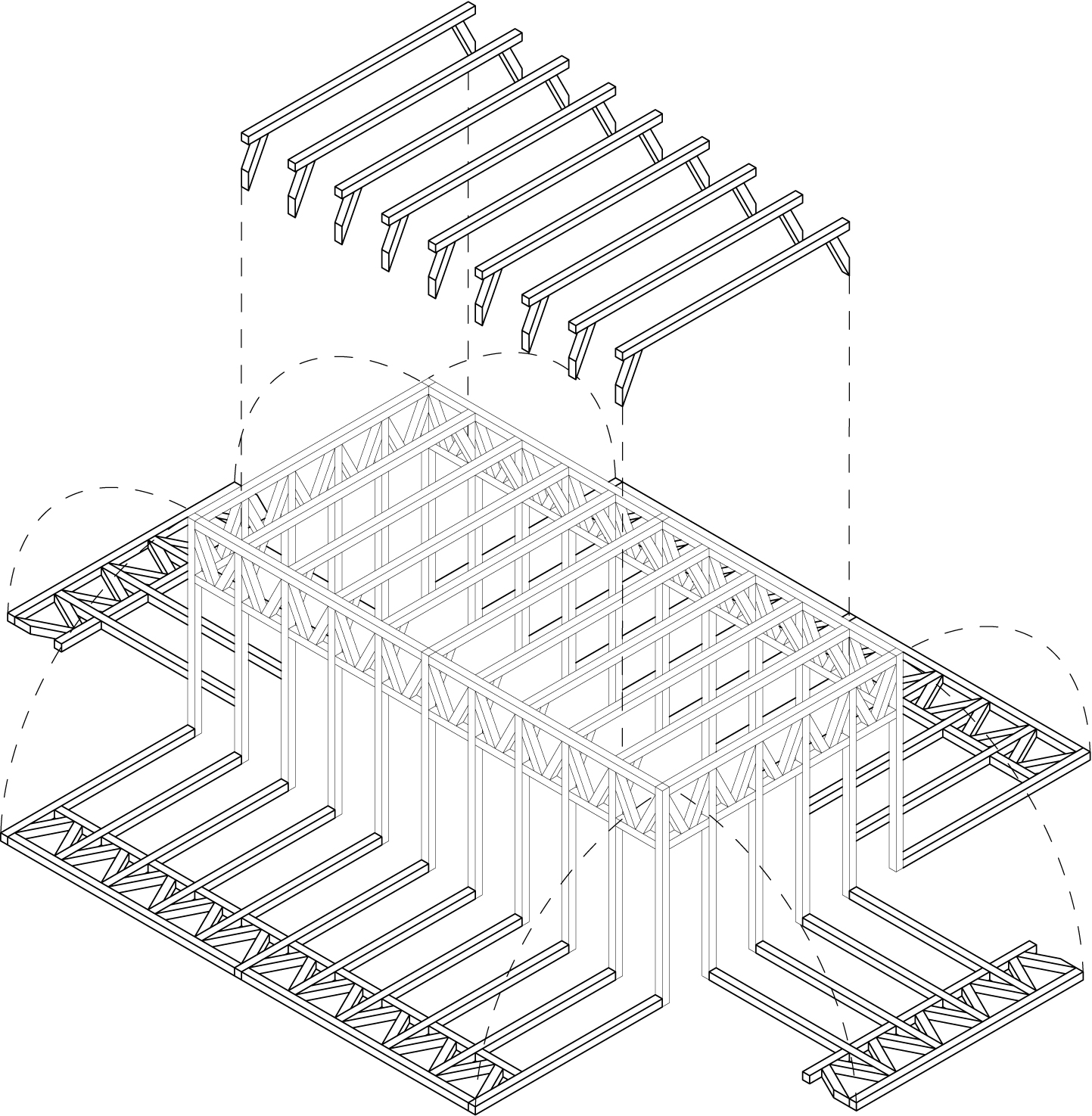
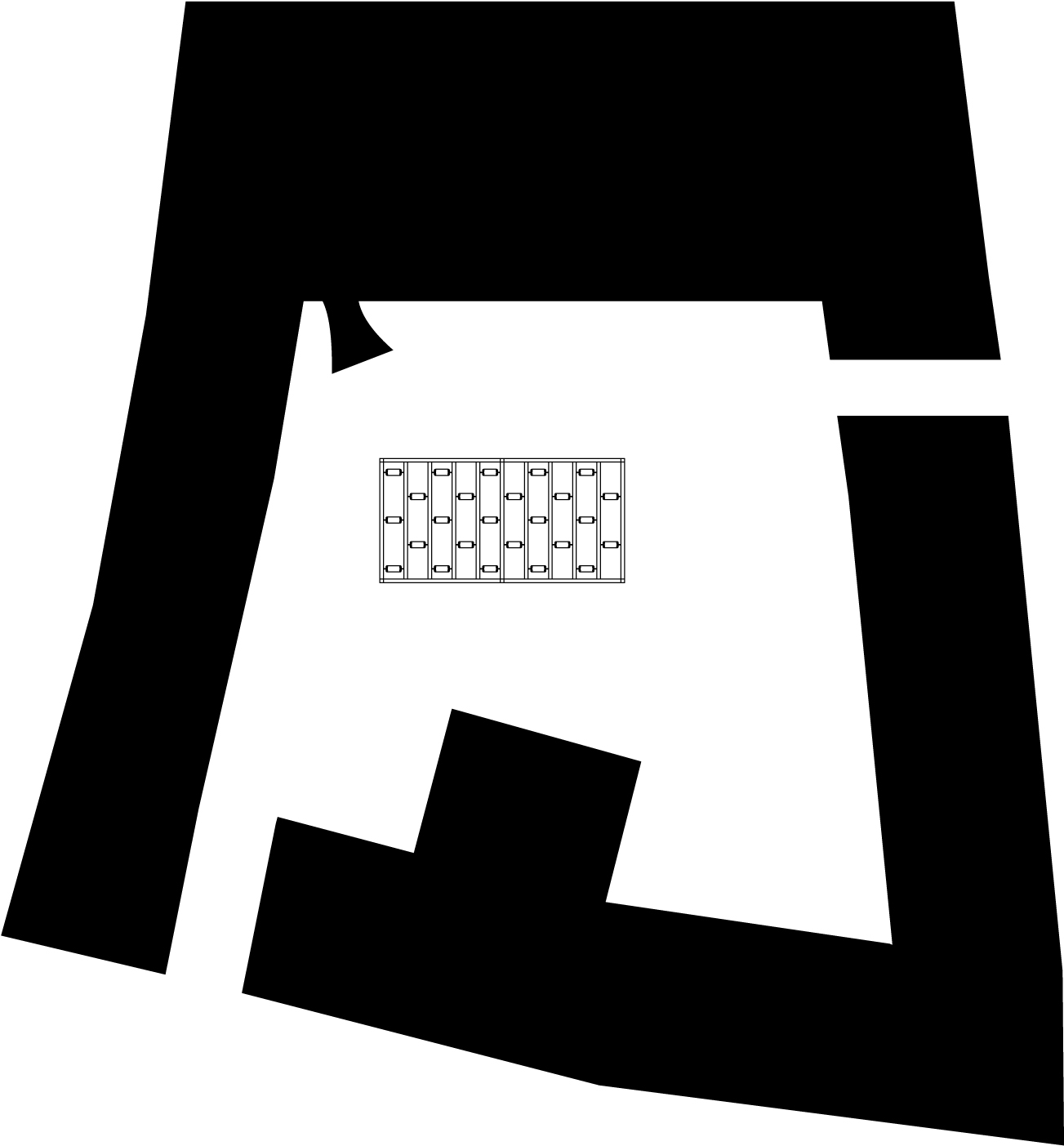
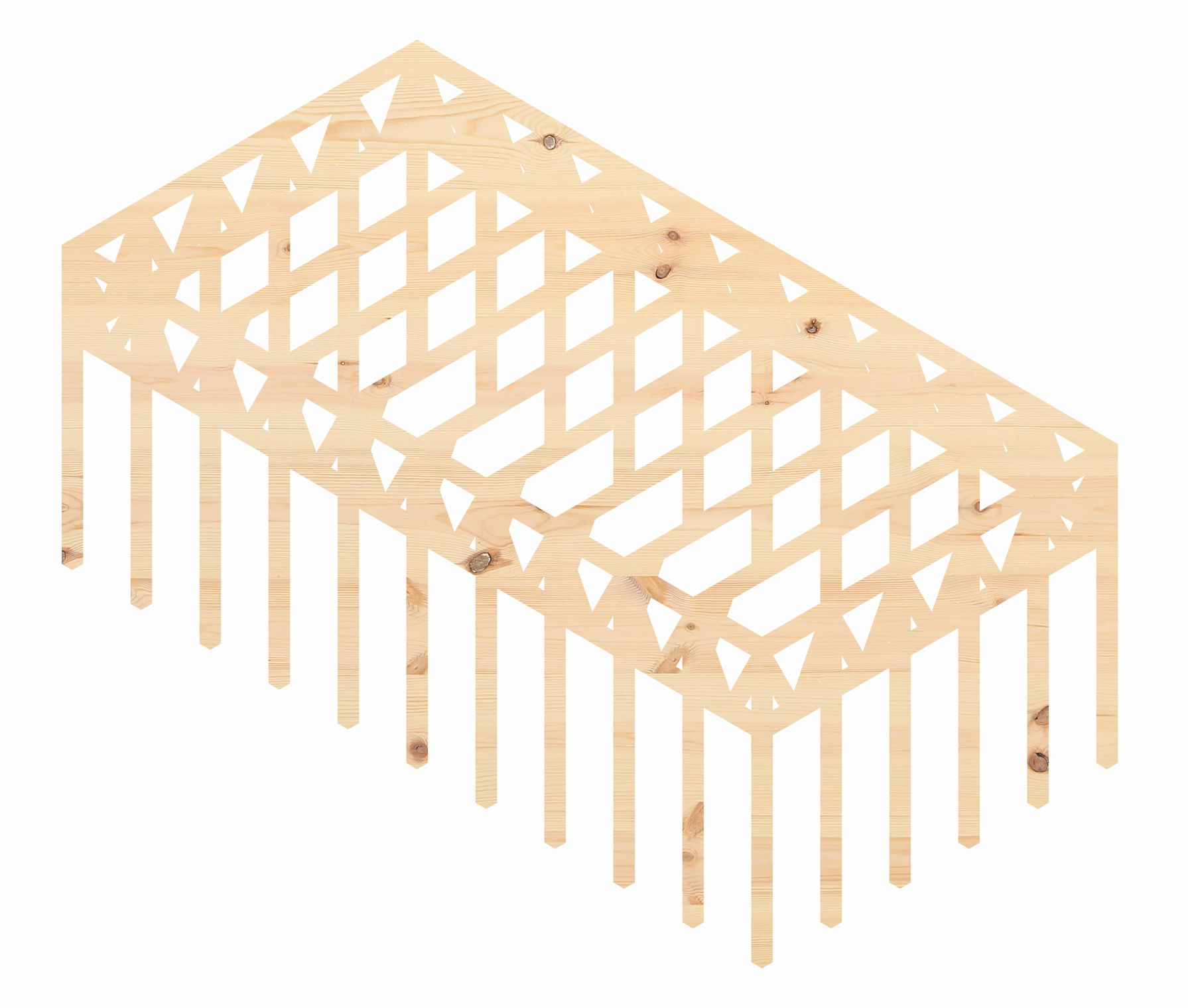
Locus—Latin for “place”—is conceived as both structure and framework, a spatial shell that accommodates change and activity over time. The project is situated within a historical context, establishing a dialogue between past and present, permanence and transformation. Its design draws inspiration from the timber framework of Hedmanska gården, reinterpreting its tectonic logic through a contemporary lens.
Constructed entirely from standardized timber dimensions, Locus minimizes material waste while maintaining flexibility and economy. It is not defined by a fixed function but by its capacity to host many—an adaptable structure that invites occupation, reinterpretation, and renewal.
In this sense, Locus becomes a living part of the cultural continuum: a space for encounters and memory, open to evolving needs and uses. It embodies architecture’s potential to sustain identity not through monumentality, but through responsiveness—to time, to context, and to the people who inhabit it.
![]()
![]()
![]()
![]()
Cultural environments shape identity and community. They anchor us in history, offering continuity and meaning. Without such places, we risk becoming detached—without context or belonging. These environments not only preserve collective memory but also support social sustainability, which, in turn, fosters ecological awareness and care.
Locus—Latin for “place”—is conceived as both structure and framework, a spatial shell that accommodates change and activity over time. The project is situated within a historical context, establishing a dialogue between past and present, permanence and transformation. Its design draws inspiration from the timber framework of Hedmanska gården, reinterpreting its tectonic logic through a contemporary lens.
Constructed entirely from standardized timber dimensions, Locus minimizes material waste while maintaining flexibility and economy. It is not defined by a fixed function but by its capacity to host many—an adaptable structure that invites occupation, reinterpretation, and renewal.
In this sense, Locus becomes a living part of the cultural continuum: a space for encounters and memory, open to evolving needs and uses. It embodies architecture’s potential to sustain identity not through monumentality, but through responsiveness—to time, to context, and to the people who inhabit it.