RIP Spruce
The tradition of the Christmas tree dates back to eighteenth-century Germany, reaching Sweden by 1741. Today, around three million trees are sold annually across the country. Each tree grows for eight to ten years, only to serve a household for a brief span—between five and twenty days—before being discarded and converted into energy. Beyond the carbon cost of transport, these monocultural plantations diminish biodiversity, leaving lasting ecological consequences.
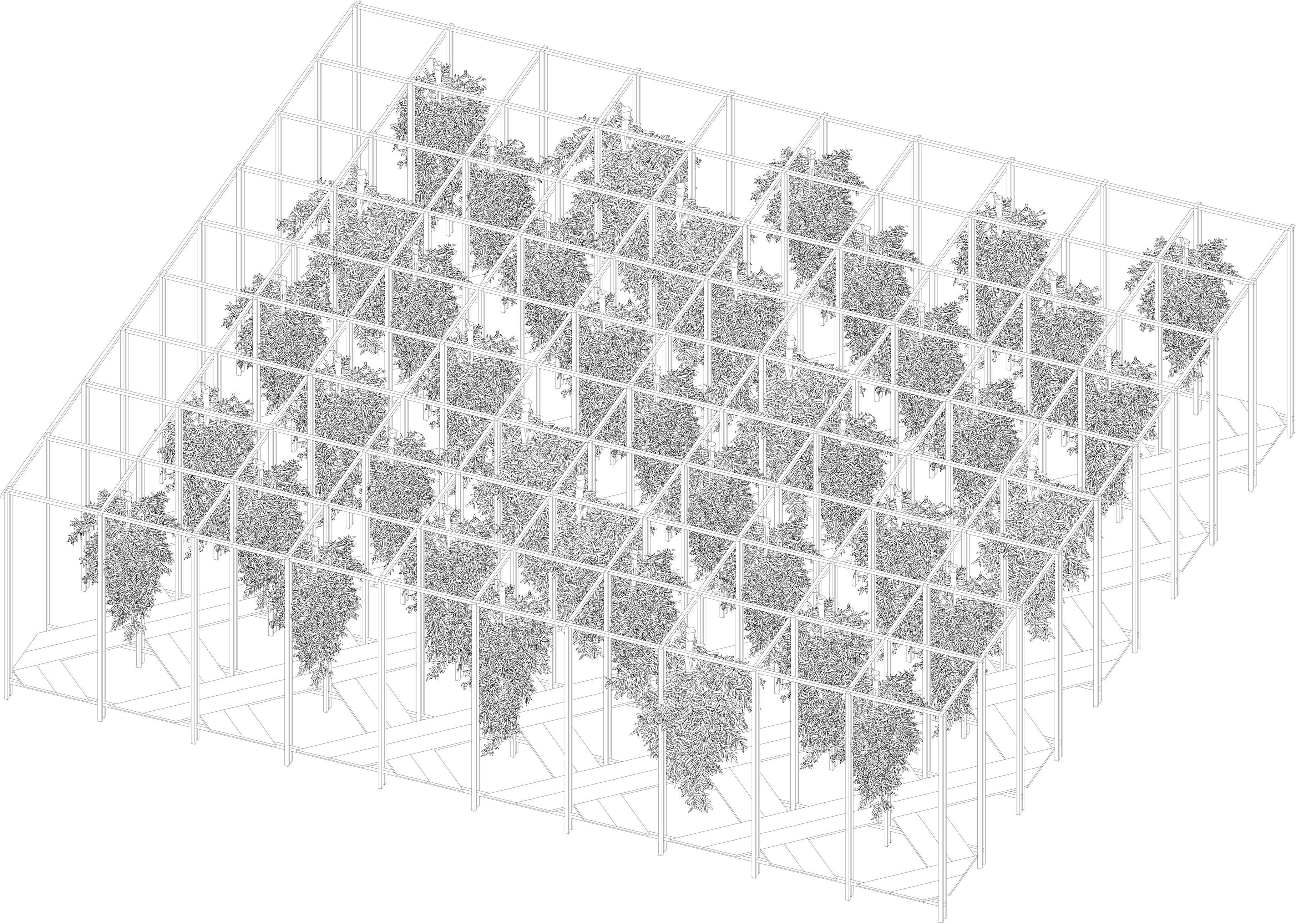
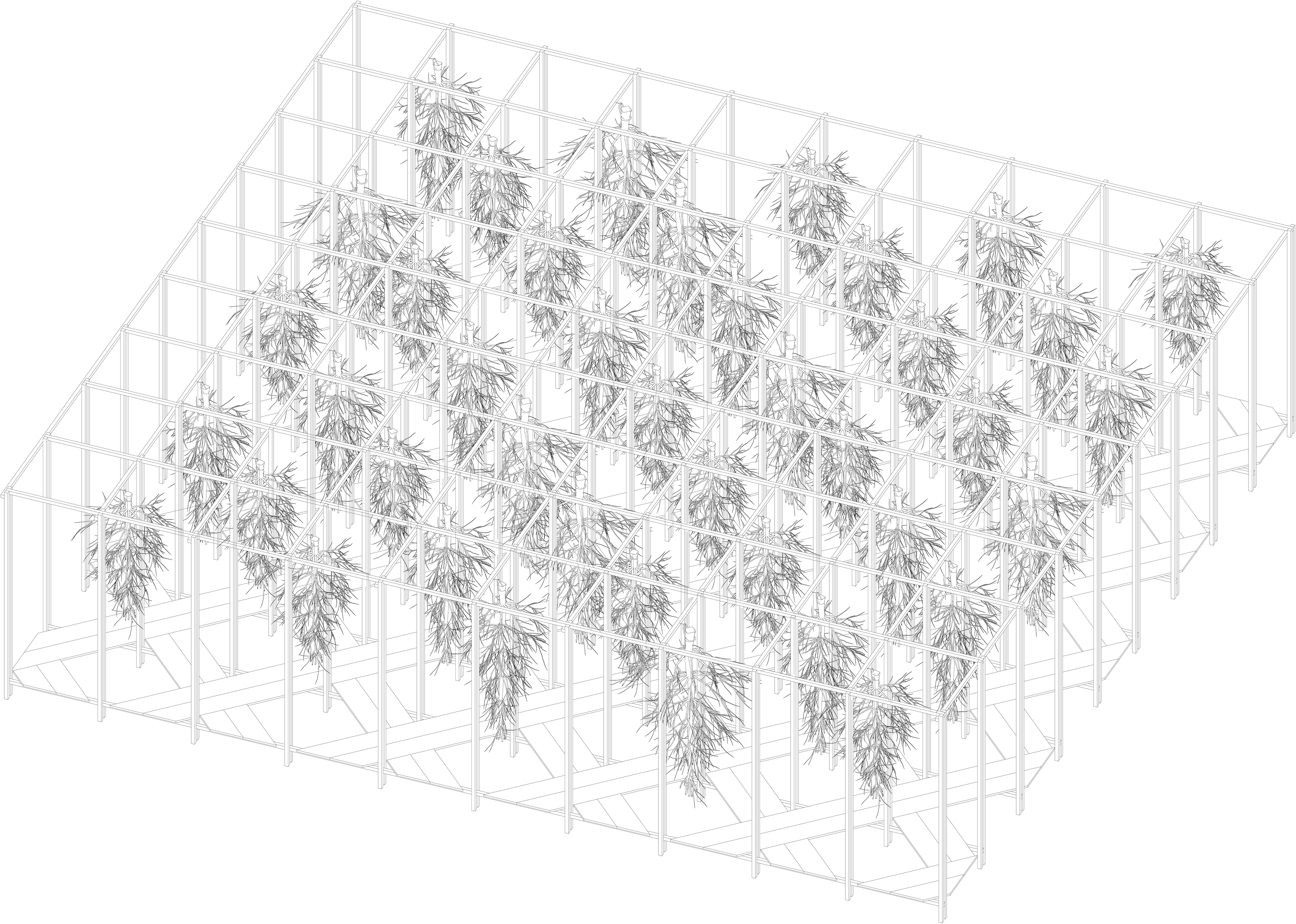
RIP Spruce transforms this fleeting ritual into an act of remembrance. After fulfilling its domestic role, each tree is suspended within a shared structure, collectively forming a spatial memorial. With every addition, the installation grows denser, evolving into a labyrinthine mass of interwoven branches and memory.
As time passes, the trees shed their needles, and the structure gradually becomes more transparent. What was once lush and opaque turns skeletal, revealing a slow and graceful decay. RIP Spruce makes visible both the beauty and the transience of tradition—an elegy for what is celebrated and then forgotten. It reflects on consumption, ritual, and renewal, inviting us to reconsider the ecological cost of seasonal joy and to find reverence in the act of letting go.
![]()
![]()
![]()
The tradition of the Christmas tree dates back to eighteenth-century Germany, reaching Sweden by 1741. Today, around three million trees are sold annually across the country. Each tree grows for eight to ten years, only to serve a household for a brief span—between five and twenty days—before being discarded and converted into energy. Beyond the carbon cost of transport, these monocultural plantations diminish biodiversity, leaving lasting ecological consequences.
RIP Spruce transforms this fleeting ritual into an act of remembrance. After fulfilling its domestic role, each tree is suspended within a shared structure, collectively forming a spatial memorial. With every addition, the installation grows denser, evolving into a labyrinthine mass of interwoven branches and memory.
As time passes, the trees shed their needles, and the structure gradually becomes more transparent. What was once lush and opaque turns skeletal, revealing a slow and graceful decay. RIP Spruce makes visible both the beauty and the transience of tradition—an elegy for what is celebrated and then forgotten. It reflects on consumption, ritual, and renewal, inviting us to reconsider the ecological cost of seasonal joy and to find reverence in the act of letting go.